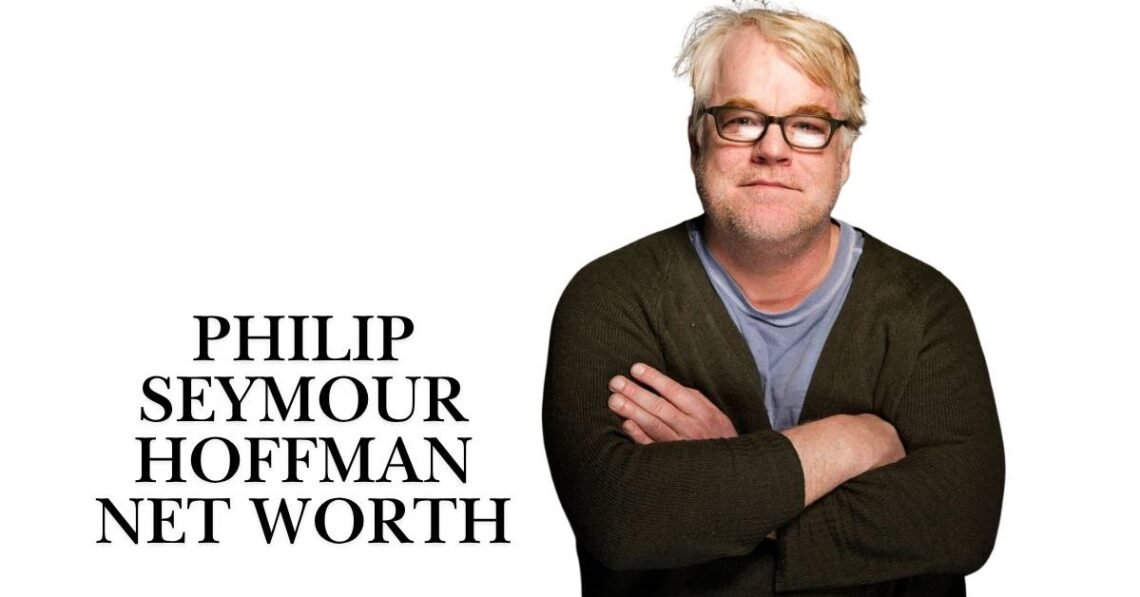
Philip Seymour Hoffman net worth was estimated at approximately $35 million at the time of his death in February 2014. While no official financial statement has ever been released, this widely reported estimate reflects decades of success as an Academy Award-winning actor, theater performer, director, producer, and one of Hollywood’s most respected character actors.
His wealth came primarily from film salaries, theater work, directing, producing, royalties, residual income, and real estate.
Unlike many celebrity net worth articles that simply mention a number, this guide explains how Philip Seymour Hoffman built his fortune, what contributed to his long-term financial success, and why his legacy continues to influence the entertainment industry today.
Quick Answer: What Was Philip Seymour Hoffman Net Worth?
At the time of his passing in 2014, Philip Seymour Hoffman net worth was widely estimated to be around $35 million.
His wealth was built through several income streams, including:
- Movie salaries
- Broadway and theater performances
- Film directing and producing
- Residual payments
- Streaming royalties
- Real estate investments
Because celebrity finances remain private, all published net worth figures should be considered estimates based on publicly available information rather than confirmed financial records.
Philip Seymour Hoffman Net Worth at a Glance
| Category | Details |
|---|---|
| Full Name | Philip Seymour Hoffman |
| Estimated Net Worth | $35 Million |
| Net Worth at Death | Approximately $35 Million |
| Date of Birth | July 23, 1967 |
| Date of Death | February 2, 2014 |
| Age at Death | 46 Years |
| Profession | Actor, Director, Producer |
| Nationality | American |
| Years Active | 1991–2014 |
| Primary Income Sources | Films, Theater, Directing, Producing, Royalties, Real Estate |
Important: Net worth estimates vary because they are calculated using publicly available information about earnings, assets, investments, and liabilities. No celebrity finance website has access to an individual’s complete financial records.
Philip Seymour Hoffman Net Worth at Death
The topic of Philip Seymour Hoffman net worth at death continues to attract attention because of his remarkable career and the circumstances surrounding his passing.
When Hoffman died on February 2, 2014, he was still actively working on several high-profile projects, including The Hunger Games: Mockingjay films.
Although his estate’s exact value has never been publicly confirmed, most financial publications estimate that his personal wealth totaled approximately $35 million.
It’s important to distinguish between:
- Career earnings, which represent total income generated over decades.
- Net worth, which reflects assets after liabilities.
- Estate value, which refers to the assets remaining after death and is handled according to legal estate planning.
Understanding these differences helps explain why various websites may report slightly different figures.
Who Was Philip Seymour Hoffman?
Born on July 23, 1967, in Fairport, New York, Philip Seymour Hoffman developed an early passion for acting that eventually led him to become one of the most celebrated performers of his generation.
After studying drama, he built his reputation through theater before transitioning into film.
Rather than pursuing only blockbuster roles, Hoffman became known for choosing complex, emotionally demanding characters that showcased his extraordinary range.
His performances in films such as Boogie Nights, The Talented Mr. Ripley, Almost Famous, Capote, Charlie Wilson’s War, Doubt, The Master, and The Hunger Games cemented his place among Hollywood’s finest actors.
His artistic integrity earned widespread respect from audiences, critics, and fellow filmmakers alike.
How Philip Seymour Hoffman Built His Wealth
Unlike many celebrities whose fortunes depend on endorsements or business ventures, Philip Seymour Hoffman’s financial success was built primarily through his craft.
His wealth came from a combination of:
| Income Source | Contribution to Career Earnings |
|---|---|
| Feature Films | Primary income source |
| Theater Productions | Significant |
| Directing | Additional earnings |
| Producing | Supplemental income |
| Royalties & Residuals | Long-term passive income |
| Real Estate | Appreciating assets |
His career demonstrates how consistent work, critical acclaim, and artistic credibility can create lasting financial success without relying heavily on commercial branding.
Movie Salaries Were His Largest Source of Income
Throughout his career, Hoffman appeared in both critically acclaimed independent films and commercially successful Hollywood productions.
Although exact salaries for many of his projects were never publicly disclosed, starring roles in major films significantly increased his earning potential.
Among the most influential movies in his career were:
| Film | Year | Career Impact |
|---|---|---|
| Twister | 1996 | Mainstream exposure |
| Boogie Nights | 1997 | Critical recognition |
| The Talented Mr. Ripley | 1999 | Expanded Hollywood profile |
| Almost Famous | 2000 | Industry acclaim |
| Capote | 2005 | Academy Award-winning performance |
| Mission: Impossible III | 2006 | Major studio blockbuster |
| Charlie Wilson’s War | 2007 | Award recognition |
| Doubt | 2008 | Oscar nomination |
| The Master | 2012 | Critical success |
| The Hunger Games: Catching Fire | 2013 | Global box office hit |
Rather than chasing only blockbuster franchises, Hoffman balanced commercially successful films with independent projects that strengthened his reputation and career longevity.
Why Capote Changed His Career
Although Philip Seymour Hoffman had already established himself as a talented actor, Capote (2005) transformed his career.
His portrayal of author Truman Capote earned him the Academy Award for Best Actor, along with numerous other prestigious awards.
Winning an Oscar dramatically increased his value within Hollywood, leading to larger roles, stronger negotiating power, and greater recognition worldwide.
More importantly, it confirmed his reputation as one of the industry’s most respected performers rather than simply another successful actor.
Theater Remained Central to His Career
Despite his success in Hollywood, Hoffman never abandoned the stage.
Theater remained one of his greatest artistic passions throughout his life.
He frequently worked with the Labyrinth Theater Company, where he acted, directed, and helped develop new productions.
Although theater generally offers smaller financial rewards than major studio films, it played a crucial role in maintaining his artistic credibility and expanding his professional opportunities.
His dedication to stage performance demonstrated that career fulfillment was just as important to him as commercial success.
Directing and Producing Expanded His Career
In addition to acting, Philip Seymour Hoffman also worked behind the camera as both a director and producer.
These roles allowed him to diversify his career while contributing creatively to projects beyond acting.
Although directing and producing represented a smaller percentage of his overall earnings, they strengthened his professional reputation and added another layer to his financial portfolio.
Rather than depending on one income stream, Hoffman steadily built wealth through multiple areas of the entertainment industry.
Royalties and Residual Income Continued Beyond Release
One of the most overlooked aspects of Philip Seymour Hoffman’s financial legacy is the ongoing value of royalties and residual payments.
Successful films continue generating revenue long after their theatrical release through:
- Television broadcasts
- Streaming services
- Digital rentals
- Blu-ray and DVD sales
- International licensing
- Home entertainment distribution
Because Hoffman appeared in numerous acclaimed films, these recurring revenue streams likely continued benefiting his estate after his passing.
Residual income demonstrates why an actor’s financial legacy often extends well beyond their active career, especially when their work remains popular with new generations of audiences.
Real Estate Investments and Personal Assets
Real estate formed another important part of Philip Seymour Hoffman’s net worth. Public records show that he owned valuable property in New York City, where he spent much of his professional and personal life.
Unlike celebrities known for lavish real estate portfolios, Hoffman maintained a relatively private lifestyle. His property holdings reflected practicality rather than extravagance, aligning with the grounded image he projected throughout his career.
In addition to real estate, his estimated assets likely included:
- Investment accounts
- Personal savings
- Royalties and residual rights
- Professional contracts
- Personal possessions
These assets, together with his career earnings, contributed to the estimated value of his estate.
Career Timeline and Financial Growth
Philip Seymour Hoffman’s career developed steadily over more than two decades, with each major role increasing both his reputation and earning potential.
| Year | Career Milestone | Financial Impact |
|---|---|---|
| 1991 | Began professional film career | Established industry presence |
| 1996 | Twister | Mainstream exposure |
| 1997 | Boogie Nights | Critical recognition |
| 1999 | The Talented Mr. Ripley | Higher-profile opportunities |
| 2005 | Won Academy Award for Capote | Increased market value |
| 2006 | Mission: Impossible III | Major commercial success |
| 2008 | Doubt | Continued award recognition |
| 2012 | The Master | Career-defining dramatic performance |
| 2013 | The Hunger Games: Catching Fire | Global blockbuster success |
| 2014 | Passed away during production | Estate continued benefiting from completed work |
His financial growth reflected a career built on consistency rather than short-term celebrity.
Highest-Paying Movies
Although exact salary details remain private for many of his films, several projects significantly increased his earning power and global profile.
| Movie | Year | Career Significance |
|---|---|---|
| Capote | 2005 | Academy Award-winning performance |
| Mission: Impossible III | 2006 | Large studio production |
| Charlie Wilson’s War | 2007 | High-profile supporting role |
| Doubt | 2008 | Award-nominated performance |
| The Master | 2012 | Critically acclaimed success |
| The Hunger Games: Catching Fire | 2013 | Worldwide box office hit |
| The Hunger Games: Mockingjay | 2014–2015 | Final film appearances |
His decision to balance independent cinema with commercial productions allowed him to enjoy both artistic recognition and financial stability.
Awards That Increased His Career Value
Awards did more than recognize Hoffman’s talent—they also strengthened his professional reputation and future earning potential.
Some of his most important achievements include:
- Academy Award for Best Actor (Capote)
- BAFTA Award recognition
- Golden Globe nominations
- Screen Actors Guild Awards
- Tony Award nominations for theater work
- Numerous critics’ association awards
Winning prestigious awards often increases an actor’s value by opening the door to larger projects and stronger negotiating power.
Estate Planning and Inheritance
Following Hoffman’s death, public attention turned to his estate and the people closest to him.
Court documents indicated that his longtime partner, Mimi O’Donnell, and their children were central to his estate planning. Reports also noted that Hoffman had expressed preferences about how his assets should benefit his family.
Because estate administration involves private legal matters, many details remain confidential. Any discussion of inheritance should focus only on verified public information rather than speculation.
This measured approach helps readers understand the facts while respecting the family’s privacy.
Does Philip Seymour Hoffman’s Estate Still Earn Money?
A common question is whether Hoffman’s work continues generating income after his death.
The answer is yes, through several potential sources.
His estate may continue receiving revenue from:
- Film residuals
- Television broadcasts
- Streaming platforms
- Digital rentals
- International licensing
- Home entertainment sales
Movies such as Capote, The Master, Mission: Impossible III, and The Hunger Games series remain widely available, allowing his performances to reach new audiences while continuing to create value through licensing and residual agreements where applicable.
Why Philip Seymour Hoffman Net Worth Was Lower Than Many Oscar Winners
Considering his extraordinary talent, some readers wonder why his estimated wealth was around $35 million rather than hundreds of millions.
Several factors help explain this:
- He consistently chose independent films alongside commercial productions.
- He remained deeply committed to theater, which generally pays less than blockbuster films.
- He rarely pursued large endorsement deals or commercial branding.
- There is no verified evidence that he built a major business empire outside acting.
- Artistic integrity often guided his career decisions more than maximizing income.
These choices earned him lasting respect, even if they did not produce the highest celebrity fortune.
Comparing Philip Seymour Hoffman with Other Acclaimed Actors
| Actor | Estimated Net Worth | Career Focus |
|---|---|---|
| Philip Seymour Hoffman | Approximately $35 Million | Film and theater |
| Daniel Day-Lewis | Higher | Film |
| Joaquin Phoenix | Higher | Film |
| Paul Giamatti | Comparable | Film and television |
| Ethan Hawke | Comparable | Film, theater, writing |
This comparison highlights how career choices, commercial projects, and business ventures influence long-term wealth.
Net Worth vs. Career Earnings
Many readers confuse career earnings with net worth, but they are not the same.
| Career Earnings | Net Worth |
|---|---|
| Total income earned over a lifetime | Value of assets after liabilities |
| Includes salaries and fees | Includes investments, savings, and property |
| Does not account for taxes or expenses | Reflects overall financial position |
An actor may earn hundreds of millions of dollars during a career yet have a significantly lower net worth due to taxes, commissions, living expenses, charitable giving, and investments.
Understanding this distinction makes celebrity wealth estimates easier to interpret.
Why Celebrity Net Worth Estimates Differ
Different websites often report different figures because no public database contains complete celebrity financial records.
Analysts typically consider:
- Publicly reported salaries
- Real estate transactions
- Investment estimates
- Royalties and residuals
- Business interests
- Taxes and liabilities
As a result, published net worth figures should always be viewed as informed estimates rather than exact financial statements.
LEARN MORE: Jason Matheson Net Worth
Common Myths About Philip Seymour Hoffman’s Wealth
| Myth | Fact |
|---|---|
| His net worth was entirely cash. | Net worth includes assets, investments, and property. |
| Winning an Oscar automatically creates enormous wealth. | Awards often increase opportunities, but career choices still matter. |
| Independent films do not pay well. | They may pay less upfront but can enhance long-term career value. |
| Estate value equals lifetime earnings. | Estate value reflects remaining assets, not total income earned. |
Lessons from Philip Seymour Hoffman’s Career
Hoffman’s professional journey offers valuable lessons beyond financial success.
Prioritize excellence. Exceptional work often creates opportunities that money alone cannot buy.
Build a lasting reputation. Professional respect can sustain a career for decades.
Balance passion with opportunity. Hoffman demonstrated that it is possible to pursue meaningful artistic work while achieving financial stability.
Think long term. Consistent, high-quality performances helped him build both wealth and an enduring legacy.
Frequently Asked Questions
What was Philip Seymour Hoffman’s net worth?
Philip Seymour Hoffman’s estimated net worth was approximately $35 million.
What was Philip Seymour Hoffman’s net worth at death?
Philip Seymour Hoffman’s net worth at death was widely estimated at around $35 million.
How did Philip Seymour Hoffman make his money?
He earned income from acting, theater, directing, producing, royalties, residual payments, and real estate.
What was Philip Seymour Hoffman’s highest-paying movie?
Exact salary figures have not been publicly confirmed, but major studio films such as Mission: Impossible III and The Hunger Games series were among his most commercially significant projects.
Who inherited Philip Seymour Hoffman’s estate?
Public records indicate that his estate planning centered on his longtime partner Mimi O’Donnell and their children, although many details remain private.
Does Philip Seymour Hoffman’s estate still earn royalties?
His films continue generating revenue through streaming, television licensing, digital rentals, and home entertainment, which may provide ongoing income to his estate where contractual rights apply.
Why do different websites report different net worth figures?
Different publications use different methodologies and rely on publicly available information rather than private financial records.
Final Thoughts
Philip Seymour Hoffman net worth tells only part of the story. His estimated $35 million fortune reflected decades of dedication to acting, theater, directing, and storytelling rather than a pursuit of celebrity or commercial branding.
By choosing memorable roles in films such as Capote, Boogie Nights, The Master, Mission: Impossible III, and The Hunger Games, he built a career defined by artistic excellence and lasting influence. Even after his passing, his work continues reaching audiences around the world through streaming platforms, television broadcasts, and home entertainment.
While his exact financial records remain private, Hoffman’s legacy extends far beyond wealth. His commitment to his craft, remarkable performances, and enduring impact on cinema ensure that he will be remembered not only as an Oscar-winning actor but also as one of the most respected performers of his generation.