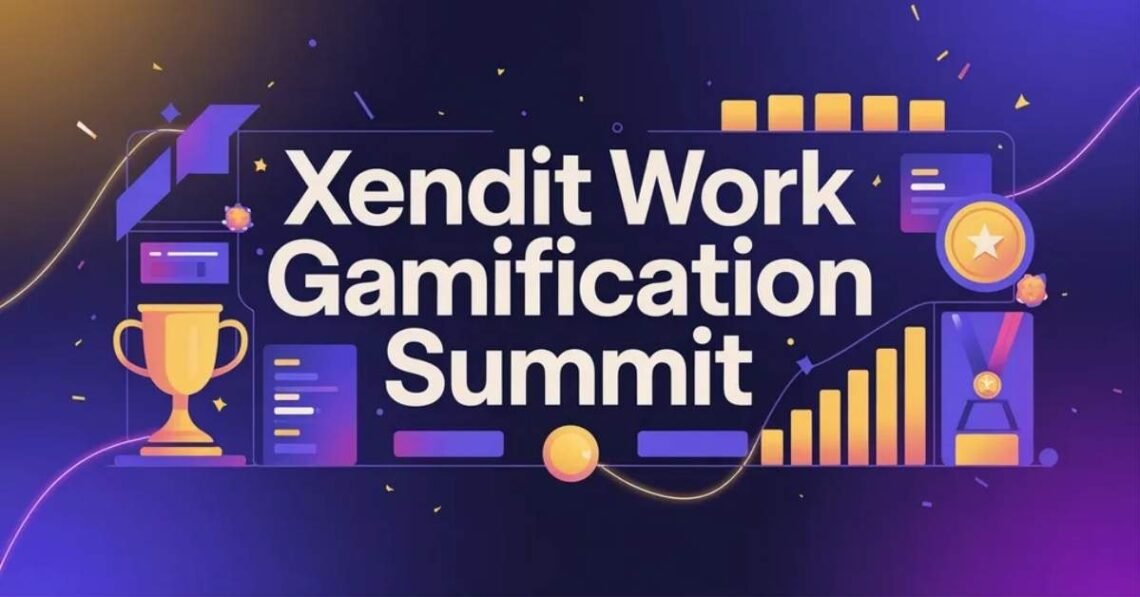
Xendit GamificationSummit Work refers to discussions and content surrounding the connection between Xendit, workplace gamification, and the ideas shared through Gamification Summit. While publicly available information about this exact phrase is limited, it is generally associated with how modern organizations use gamification strategies to improve employee engagement, productivity, learning, and workplace performance.
If you searched for this keyword, you’re likely looking for a clear explanation, practical examples, and actionable insights rather than another vague definition. This guide brings everything together in one place.
What Is Xendit GamificationSummit Work?
The phrase combines three related concepts:
- Xendit, a financial technology company known for payment infrastructure.
- Gamification Summit, a topic focused on workplace and business gamification.
- Work, referring to employee engagement and organizational performance.
Rather than describing a single software product, the keyword is commonly used in discussions about applying workplace gamification, behavioral design, and employee motivation to create better business outcomes.
Why This Keyword Causes Confusion
Many online articles use different keyword variations such as:
- Xendit Work GamificationSummit
- GamificationSummit Work Xendit
- Xendit Gamification Summit
Unfortunately, most of them explain the topic only at a surface level. Users are left wondering whether it refers to an official initiative, an event, or a broader workplace strategy.
Understanding Workplace Gamification
What Is Workplace Gamification?
Workplace gamification is the process of applying game-inspired mechanics to everyday work activities. Instead of making work feel like a game, the goal is to encourage positive behaviors through progress tracking, recognition, missions, badges, and meaningful feedback.
Organizations use gamification to improve:
- Employee engagement
- Learning and development
- Onboarding
- Knowledge retention
- Performance management
- Team collaboration
Why Businesses Use Gamification
Modern workplaces compete for both customer loyalty and employee satisfaction. Gamification helps by creating experiences that make routine tasks more engaging.
Some common business goals include:
- Increasing productivity
- Improving employee experience (EX)
- Encouraging collaboration
- Supporting digital transformation
- Reducing turnover
- Building a stronger workplace culture
Core Principles Behind Xendit GamificationSummit Work
Whether discussing Xendit or workplace gamification in general, several recurring themes emerge.
Employee Engagement
Employees perform better when they understand their goals and receive regular recognition.
Intrinsic Motivation
The most effective gamification encourages people through achievement, growth, and purpose, not just rewards.
Continuous Feedback
Instead of waiting for annual reviews, employees receive immediate progress updates that help improve performance.
Recognition
Simple recognition systems—such as achievement badges, milestone celebrations, or peer appreciation—can significantly improve morale.
How Workplace Gamification Works
Step 1: Define Business Objectives
Every successful program starts with measurable goals such as:
- Faster onboarding
- Higher customer satisfaction
- Better training completion
- Increased productivity
Step 2: Identify Desired Behaviors
Organizations determine which actions they want employees to repeat, including collaboration, learning, innovation, or customer service excellence.
Step 3: Introduce Gamification Elements
Popular mechanics include:
- Points
- Badges
- Levels
- Challenges
- Progress bars
- Leaderboards
- Rewards
- Recognition systems
- Feedback loops
Step 4: Track KPIs
Successful programs monitor:
- Employee engagement
- Productivity metrics
- Learning completion rates
- Customer satisfaction scores
- Retention rates
- Collaboration levels
Step 5: Improve Continuously
Gamification works best when organizations collect employee feedback, review analytics, and refine challenges over time.
Practical Examples
Employee Onboarding
Instead of reading lengthy manuals, new employees complete interactive learning missions, earning milestones as they progress.
Customer Support Teams
Support agents receive recognition for fast response times, high customer satisfaction, and consistent service quality.
Sales Teams
Sales professionals unlock achievements for reaching milestones, improving motivation without relying solely on financial incentives.
Learning and Development
Employees complete training paths with progress tracking, encouraging continuous skill development.
Benefits of Workplace Gamification
Organizations that implement thoughtful gamification strategies often experience:
- Higher employee engagement
- Better productivity
- Improved knowledge retention
- Greater collaboration
- Enhanced customer experiences
- Stronger organizational culture
- More effective performance management
When aligned with business objectives, these improvements contribute to sustainable organizational growth.
Common Challenges
Despite its benefits, workplace gamification is not without risks.
Common mistakes include:
- Focusing only on competition
- Using meaningless rewards
- Ignoring employee feedback
- Creating overly complex systems
- Tracking the wrong KPIs
The most effective programs balance recognition, intrinsic motivation, and behavioral psychology rather than relying exclusively on points or leaderboards.
Best Practices for Success
To maximize results:
- Start with a small pilot project.
- Align every challenge with a measurable business goal.
- Keep rules transparent and easy to understand.
- Reward meaningful behaviors instead of busy work.
- Collect regular employee feedback.
- Continuously optimize using analytics and performance data.
Common Myths
Myth: Gamification Means Playing Games at Work
Reality: It uses motivational techniques—not games—to encourage positive workplace behaviors.
Myth: Leaderboards Always Improve Performance
Reality: Some employees respond better to personal progress tracking than public rankings.
Myth: Rewards Are Enough
Reality: Long-term success depends on purpose, autonomy, recognition, and continuous learning.
A Simple Implementation Framework
Organizations can follow this framework:
- Define clear objectives.
- Understand employee needs.
- Select appropriate gamification mechanics.
- Measure meaningful KPIs.
- Launch a pilot program.
- Collect feedback.
- Scale gradually across teams.
This structured approach reduces implementation risks while improving adoption.
LEARN MORE: How to Install Mozillod5.2f5
Future Trends
The future of workplace gamification is closely tied to AI-powered personalization and behavioral analytics.
Emerging trends include:
- Personalized learning journeys
- Adaptive challenges
- Real-time performance dashboards
- AI-driven recommendations
- Smarter employee experience platforms
- Data-informed engagement strategies
These innovations will continue shaping how organizations motivate and develop their workforce.
Frequently Asked Questions
What does Xendit GamificationSummit Work mean?
It generally refers to discussions about Xendit, workplace gamification, and ideas associated with Gamification Summit, particularly regarding employee engagement and productivity.
Is it an official Xendit program?
Publicly available information does not clearly establish it as a standalone official product or initiative. The phrase is most often used in articles discussing workplace gamification concepts connected to Xendit.
How does workplace gamification improve productivity?
By providing clear goals, instant feedback, recognition, and measurable progress, gamification encourages employees to stay engaged and perform consistently.
Can small businesses use gamification?
Yes. Small businesses can begin with inexpensive tools such as digital badges, learning challenges, progress tracking, and employee recognition programs.
Which KPIs should organizations monitor?
Useful metrics include:
- Employee engagement
- Training completion
- Customer satisfaction
- Productivity
- Employee retention
- Collaboration
- Goal achievement
Key Takeaways
Xendit GamificationSummit Work highlights the growing importance of combining workplace gamification, behavioral psychology, employee experience, and performance management to build more engaged and productive teams. Rather than viewing gamification as a collection of points and badges, organizations should focus on meaningful behaviors, measurable outcomes, and continuous improvement.
By aligning KPIs, digital transformation, and employee engagement with well-designed gamification strategies, businesses of all sizes can create a workplace where motivation and performance naturally reinforce one another.