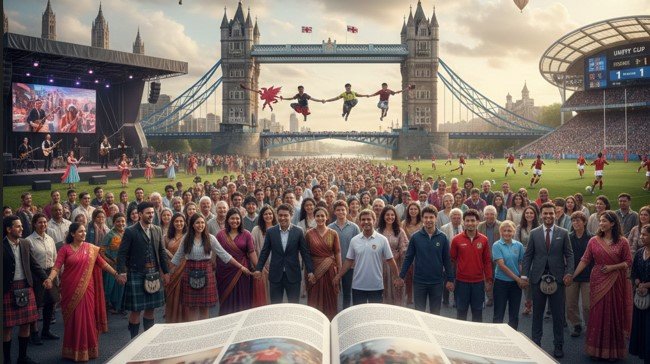
Culture and sport have always played a central role in British society, reflecting the nation’s values, creativity, and competitive spirit. In 2025, these two areas continue to influence daily life across the United Kingdom, offering entertainment, inspiration, and a sense of shared identity. From prestigious cultural institutions to grassroots sporting initiatives, Britain’s cultural and sporting landscape remains strong, diverse, and deeply connected to its communities.
Culture as a Reflection of British Identity
The UK’s cultural heritage is one of the richest in the world, shaped by centuries of history and modern innovation. Theatre remains a cornerstone of British culture, with London’s West End maintaining its reputation as a global centre for live performance. Alongside classic productions, contemporary plays exploring modern social issues have gained popularity, attracting younger audiences and critical praise.
Beyond London, regional arts scenes continue to flourish. Cities such as Leeds, Bristol, Cardiff, and Belfast have become important cultural hubs, hosting festivals, exhibitions, and performances that celebrate local talent. These regional centres help ensure that cultural opportunities are accessible across the country, not just in major metropolitan areas.
Music is another defining element of British culture. From iconic pop and rock acts to classical orchestras and underground artists, the UK’s music scene remains influential worldwide. Live concerts and festivals have seen strong attendance, while digital platforms allow British musicians to reach global audiences instantly.
Museums, Heritage, and Creative Innovation
Museums and heritage sites across the UK continue to attract millions of visitors each year. Institutions such as the British Museum, Science Museum, and National Museums Liverpool combine traditional exhibitions with modern technology to create engaging experiences. Interactive displays, virtual tours, and educational programmes are helping museums appeal to a broader audience, particularly younger visitors.
At the same time, heritage conservation remains a priority. Historic landmarks, castles, and cultural sites are being preserved while adapting to modern tourism demands. This balance between preservation and innovation ensures that Britain’s history remains relevant and accessible.
The UK’s film and television industry continues to grow as well. British productions are enjoying international success on streaming platforms, with dramas, documentaries, and films receiving global recognition. This success supports jobs, boosts the economy, and strengthens Britain’s creative reputation worldwide.
Sport as a National Passion
Sport plays an equally important role in uniting the nation. Football remains the most popular sport in the UK, with domestic leagues capturing the attention of millions of fans. The Premier League continues to attract international audiences, while lower-league football maintains strong local support and community loyalty.
Cricket and rugby also hold significant cultural importance. Domestic competitions and international fixtures have delivered memorable performances, showcasing British talent and teamwork. These sports continue to evolve, with investment in training, coaching, and youth development ensuring future success.
Athletics, cycling, tennis, boxing, and motorsport have also contributed to Britain’s sporting achievements. British athletes have performed strongly in major competitions, reinforcing the country’s reputation for sporting excellence. These successes are often supported by long-term investment in facilities, sports science, and coaching expertise.
Grassroots Sport and Social Impact
While elite sport dominates headlines, grassroots participation remains the foundation of Britain’s sporting success. Community clubs, schools, and local organisations play a vital role in promoting physical activity and healthy lifestyles. Youth programmes encourage participation regardless of background, helping to identify future talent while improving well-being.
Grassroots sport also delivers significant social benefits. It teaches teamwork, discipline, and leadership, while providing young people with positive role models and structured activities. In many communities, local sports clubs serve as social hubs, bringing people together and strengthening relationships.
Culture and Sport in Community Life
At the community level, culture and sport often work together to build stronger connections. Local festivals, cultural celebrations, and sporting events bring residents together, fostering pride and belonging. Public art projects, community theatres, and amateur sports leagues ensure that participation is open to all.
Libraries, cultural centres, and creative workshops offer spaces for learning and expression. These institutions support creativity, lifelong learning, and social inclusion, particularly in underserved areas. Government and charity funding has helped expand access to these resources, recognising their importance to community development.
Recognition and Inspiration
National awards celebrating cultural and sporting excellence play an important role in inspiring the public. Events recognising achievements in music, film, theatre, and sport highlight dedication and hard work. Athletes and artists honoured at these ceremonies often become role models, encouraging young people to pursue their passions.
Economic and Global Influence
Culture and sport contribute significantly to the UK economy. Tourism linked to major events, historic sites, and performances generates substantial revenue and employment. International recognition of British culture and sport strengthens the UK’s global influence and soft power.
British creativity and sporting expertise are exported worldwide, enhancing international partnerships and cultural exchange. These industries not only entertain but also represent Britain on the global stage.
Looking to the Future
As the UK moves forward, culture and sport will continue to play a vital role in national life. Investment in infrastructure, digital innovation, and sustainability will shape their future development. Efforts to promote inclusivity and accessibility will ensure that opportunities remain open to all.
In an ever-changing world, culture and sport remain powerful forces of unity. They celebrate Britain’s past, reflect its present, and inspire its future—making them essential pillars of the nation’s identity.